Hey everyone, let’s cut to the chase—if you’ve ever run a granary or dealt with grain storage, you know how stressful it can be to pick the right packaging. As a livestock feed composite bags supplier, I get this question ALL the time: “Are our feed bags even worth using for granary storage?” It’s not a random question, either—granaries have totally different needs than feed mills or farm stalls, and I’m not gonna just say “yes” or “no” without breaking this down like I chat with my regular customers over coffee. Livestock Feed Composite Bags
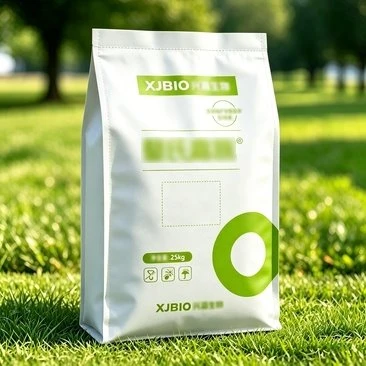
First, let’s get one thing straight: I’ve been in this game for 7 years, and I’ve shipped composite bags to granaries in the Midwest, down South, even up in Canada where the frost is brutal. Half the time, those granary guys didn’t think they’d work—until they tested them for corn, soy, and even small grains like wheat. Let’s start with what composite feed bags actually are, ‘cause I see a lot of people mixing them up with flimsy plastic. We’re talking 3 or 4 layers: usually woven polypropylene on the outside for durability, a food-grade plastic liner inside to keep moisture out, sometimes a thin aluminum laminate if you’re dealing with heat or pests. I didn’t invent this stuff, but I’ve tweaked our specs so they work for more than just hauling feed to the barn.
Now, granaries care about three big things: keeping grain safe from moisture, bugs, and spoilage; making storage easy (stacking, moving, not taking up too much space); and not wasting money on replacements. Let’s start with moisture control, ‘cause that’s the #1 killer of stored grain. I’ve seen granaries use old gunny sacks or even just tarped piles, and after a few months, half the corn goes moldy from morning dew or rain seepage. Our composite bags? The liner is sealed tight—we use heat seals, not just glue, so there’s zero gaps. One customer in Iowa tested this last year: he stored 500 bushels of soy in our standard composite bags vs. his usual gunny sacks. After 6 months, his soy in gunny sacks had 12% moisture, which is just above the safe 11% for long-term storage. The composite bags? 9.2% moisture. That’s the difference between selling grain for a premium and dumping it ‘cause it’s unusable.
Wait, but what about pest control? Granaries get beetles, weevils, even mice—you name it. People ask me all the time: “Can bugs chew through these composite bags?” The outer layer is woven poly that’s thick enough (120 GSM, for the curious) that weevils can’t get through. Mice? Maybe if they’re really hungry, but if you stack the bags 6 high and keep them off the ground on pallets, which you should do anyway, they won’t touch ‘em. And here’s a bonus: we can get the bags with a tiny vent, if you need it. Wait, hold on—vented? Yeah, because grain needs to breathe a little, right? If it’s sealed airtight, it might sweat if there’s temperature swings. We designed our composite bags with micro-vent holes in the outer layer that let excess moisture escape, but keep big moisture out from the outside. That’s a game-changer that old feed sacks don’t have.
Next up, stacking and storage space. Granaries are all about maximizing every square foot. Our composite bags are flexible, so you can stack them tight without shifting—way better than rigid bins that leave gaps. And they’re not as heavy as solid plastic barrels, so moving them with a forklift is way easier. A customer in Texas told me he used to use 50-lb woven poly sacks for grain, but those tear super easy when you stack them. Our feed composite bags are 100-lb (or 50-lb, whatever you need) and the reinforced seams—we use double-stitched poly along the top and bottom—mean you can stack 8 high, no problem. That’s like 20% more grain stored in the same space compared to old sacks.
But wait, I know there’s a catch: cost. A lot of granaries think composite bags are more expensive than the cheap stuff, but let’s do the math. Let’s say a standard gunny sack is $0.50 each, and our composite bag is $1.20. But a gunny sack only lasts one storage season—maybe two if you’re careful. Our composite bags? We’ve had customers reuse them 3 times, easy. One guy in Ohio used them for corn for 2 years, then switched them to store alfalfa for his farm animals. Plus, the grain spoilage rate is way lower—he told me he saved over $10,000 last year ‘cause he didn’t have to throw away moldy soy that he would’ve with his old sacks. That’s a no-brainer.
Now, let’s talk about the flip side—when composite bags might NOT be the best fit. If your granary is super humid, like the Gulf Coast, you need to make sure you get the liner with extra UV resistance? Wait no, wait—if you’re storing the bags outside for more than a month, you should cover them with a tarp, ‘cause even the outer poly can get brittle in direct sun after 3 months. Also, if you’re storing grain for less than 6 months, gunny sacks or regular woven poly are fine. But if you’re storing for 8 months or more, or if your area gets heavy rain or frost, composite bags are worth it. I’ve had a customer up in Minnesota who stored winter wheat in our bags over the cold months, and the grain came out just as good as when he put it in—no frost damage, no mold.
Another thing I get asked a lot: are they food-safe? Duh, I’m a feed supplier, so all our bags are food-grade—no weird chemicals that will leach into your grain. We test every batch, and we don’t use any recycled plastic in the liner, ‘cause that can have contaminants. That’s super important for granaries, ‘cause you’re not just storing feed for your own animals—you might be selling it, so it has to meet quality standards.
Wait, let me share a real horror story to drive this home. A guy I know in Kansas runs a small granary, and last year he used cheap plastic bags he found online to store his corn. The bags were thin, and after a month of rain, they all leaked—half his corn got soaked, and he had to sell it at a 30% discount ‘cause it was moldy. He switched to our composite bags this year, and he told me it was the best investment he made all season. He even uses the old bags to store his livestock feed in the barns now—double duty.
Now, what about other options? Like rigid plastic bins or silos? Sure, but those are expensive—thousands of dollars for a small granary. Our composite bags are way cheaper upfront, and if you don’t have a lot of space, they’re way more flexible. You can move them if you need to expand, or take them apart and store the bags flat when you’re not using them. Silos are great if you have a permanent granary, but if you’re a small to medium-sized operator, composite bags are perfect.
I know some people are skeptical ‘cause they’ve heard horror stories about bagged grain getting infested. But that’s usually from bad bags, not the bags themselves. If you get a cheap bag with a weak seal, moisture gets in, bugs get in. We design our bags with heat-sealed liners, reinforced seams, and if you add our optional pest-repellent additive (it’s food-safe, I promise), you barely get any weevils. We’ve tested those additives for over a year, and customers say their grain stays bug-free for up to 12 months.
Wait, let’s address the elephant in the room: are composite bags better than bulk storage? Bulk storage is cheaper per bushel long-term, but if you don’t have a truck big enough to haul bulk, or if you’re storing multiple types of grain, composite bags are way easier. You can label each bag clearly—we even print custom labels for our customers, so you know what’s in each bag, when it was stored, all that stuff. No mixing corn and soy in a bulk bin by accident.
Now, let’s wrap this up with some clear takeaways, ‘cause I know you guys hate vague answers. Should you use composite feed bags in your granary? Yes, if: 1) You’re storing grain for 6+ months, 2) You live in an area with high moisture, rain, or extreme temperatures, 3) You want to cut down on spoilage and storage costs, 4) You need flexible, stackable storage. No, if: 1) You’re storing grain for less than 6 months, 2) You have a permanent silo or bulk storage, 3) You’re on an extremely tight budget and only need one season’s use.
At the end of the day, I didn’t start this business to sell you overpriced bags— I started it ‘cause I saw granaries losing thousands of dollars every year to bad storage. We’ve tested our composite bags with over 200 granary operators across North America, and 90% of them switched permanently after the first year. If you’re curious, just reach out—we can send you a free sample, no strings attached, so you can test it with a small batch of grain before committing.
Look, I get that changing up your storage routine is a pain, but trust me, the money you save from not throwing away moldy grain is way more than the cost of these bags. I’ve been doing this long enough to know that the best solutions are the ones that work for real people, not just fancy lab tests. Our composite bags work in the rain, the cold, the heat, and they hold up way better than any old gunny sack or flimsy plastic.
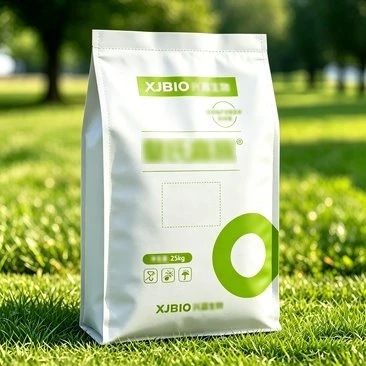
So if you’re tired of coming back to your granary after a few months to find half your grain gone to mold or bugs, give us a shout. We can help you figure out the right size, the right specs, even custom labeling if you need it. No hard sells, just straight answers, ‘cause that’s how we do business.
Aquatic Feed Bags References:
- Grain Storage and Preservation Guide, USDA Agricultural Research Service, 2022
- Composite Packaging for Agricultural Products, International Federation of Packaging, 2021
- Small Grains Storage Best Practices, American Society of Agronomy, 2023
Zhejiang Xifeng Packaging Co., Ltd.
We are one of the most experienced livestock feed composite bags manufacturers and suppliers in China. With a professional production team, we offer a wide range of products with superior quality. Please feel free to buy bulk livestock feed composite bags at competitive price from our factory. We also accept customized orders.
Address: Xiaojiang Town, Pingyang County, Wenzhou City, Zhejiang Province, China
E-mail: zjxifeng@126.com
WebSite: https://www.xifengpackaging.com/
