If you’ve ever been in the concrete finishing industry, you know a power trowel isn’t just another piece of equipment—it’s your workhorse. For our team here, that means we don’t just sell power trowels; we help customers keep those tools running year after year, even when they’re not in use for long stretches. Storing a power trowel correctly over an extended period isn’t just about keeping it clean—it’s about protecting the engine, the rotating blades, and every small part that makes the machine work. Skip the right steps, and you could be looking at a hard start, corroded parts, or even a broken tool come spring or whenever you pull it back out. Power Trowel
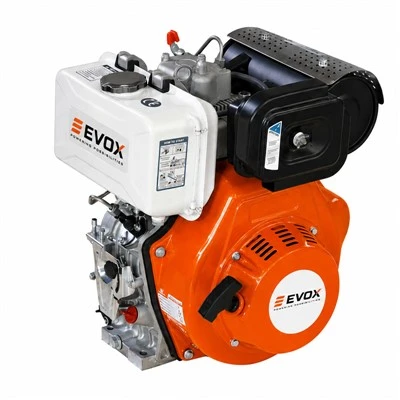
I’ve seen the mistakes. Last year, a customer brought a trowel back to our shop that’d been stored in a damp garage for six months. The engine was seized solid, the blade assembly had rusted so bad the bolts wouldn’t turn, and the fuel lines were clogged with stale gas. It cost him more to fix than he’d paid for the trowel used. That’s why I decided to put together this step-by-step guide, drawn from years of working with power trowels—both selling them and helping customers keep them in top shape. If you follow these steps, your trowel will be ready to go when you need it, no last-minute headaches.
First, let’s start with the prep work before you even set the machine in storage. This is the most critical part, and it’s where most people cut corners. The first thing to do is drain or treat the fuel system. Old, stale gas is the number one cause of small engine problems, and power trowel engines are no exception. Gas breaks down in as little as 30 days, leaving a gummy residue that clogs carburetors, fuel lines, and fuel pumps. If your trowel has a carbureted engine, which most standard models do, you have two options: drain the fuel completely, or add a fuel stabilizer. Draining is more reliable for long-term storage. To do that, run the engine until it runs out of gas on its own—this clears the carburetor and lines entirely. If draining isn’t feasible, use a fuel stabilizer formulated for small engines (avoid car stabilizers, they’re not the same) and run the engine for 5 to 10 minutes after adding it, so the treated gas circulates through the entire fuel system. Don’t forget to disconnect the spark plug wire first, just for safety.
Next, clean the trowel thoroughly. Concrete dust, wet mortar, and cement mix don’t just sit on the surface—they seep into joints, around blade arms, and into the engine’s cooling fins. Over time, that debris will absorb moisture, leading to rust, and grind against moving parts, causing wear. Grab a pressure washer (set to low pressure, around 1500 PSI—high pressure can damage seals and bearings) or a stiff bristle brush, and scrub every inch: the blade assembly, the handles, the engine casing, and the bottom frame. For caked-on concrete, use a mild concrete degreaser, but make sure to rinse it off completely—leftover chemicals can damage paint and seals. Once it’s clean, let it dry completely. A damp trowel in storage is a ticking time bomb for rust, so leave it in a dry, well-ventilated area for 24 hours before moving it.
Now, move to the mechanical parts. The rotating blade assembly is especially vulnerable. Remove the blades (always use gloves—they’re sharp) and wipe down the blade arms, bolts, and the hub with a light oil, like 30-weight non-detergent oil or a specialty machine lubricant. Don’t use heavy grease here, it will attract dust. Make sure to oil the blade bolts and the pivot points, too—these are spots that often get missed. For the engine, not just the fuel system, change the oil before storage. Old oil holds moisture and acidic byproducts from use, so draining it and adding fresh oil prevents internal engine corrosion. Check the air filter, too: if it’s dirty, replace it or clean it (depending on if it’s paper or foam). A dirty air filter will let dust get into the engine while it’s stored, which causes wear when you start it up.
Then, address electrical components and batteries, if your trowel has an electric start. If it’s a gas model with a recoil start, just make sure the spark plug is clean—remove it, brush away any carbon buildup, and leave a small amount of anti-seize compound on the threads before putting it back in. For electric start models, take out the battery. Don’t leave a battery on the machine during storage—even a fully charged one will lose power over time, and it can leak acid, which damages the frame and engine. Clean the battery terminals with a wire brush, apply a light coat of terminal protector or petroleum jelly, and store the battery in a cool, dry place (not attached to concrete floors, which can draw moisture). Check it every month or so, and top it off with distilled water if it’s a flooded lead-acid model.
Now, choosing the right storage location is almost as important as the steps above. A lot of people think a shed or a garage is enough, but if it’s damp, that’s a problem. Concrete floors, in particular, hold moisture—so if you put your trowel directly on a concrete slab, the bottom frame will rust from the bottom up. Elevate it on wooden pallets or cinder blocks, at least 6 inches off the floor. The ideal storage spot is a climate-controlled space, like a heated shop or a dry warehouse, with temperatures between 50 and 70 degrees Fahrenheit. If you have to store it outside, cover it with a heavy-duty waterproof cover, but make sure it’s not airtight—condensation can get trapped inside and cause rust. Avoid plastic tarps, they don’t breathe. A breathable nylon or polypropylene cover works best.
Once it’s in storage, there are a few monthly checks that take 5 minutes and will save you big issues later. First, if it has a battery, check its charge level—most batteries will need a top-up or a trickle charge every 30 to 60 days. For the blade assembly, rotate the blades by hand a quarter turn every month—this keeps the bearings from seizing up, a common problem when parts sit in one position for too long. If you’re storing it for more than six months, pull the blades again and re-oil them, just to be safe.
When you’re ready to pull your trowel out of storage, don’t just fire it up right away. Do a pre-use check: first, drain any old fuel that might have accumulated if you didn’t treat or drain it before storage. Refill with fresh gasoline, and check the oil level. Reconnect the spark plug wire, then pull the recoil starter a few times (or turn the key, if it’s electric) without starting the engine, to prime it. Once it starts, let it idle for 5 to 10 minutes, and check for any unusual noises or leaks. If the blades don’t move smoothly, they might need a little more oil—just don’t overdo it.
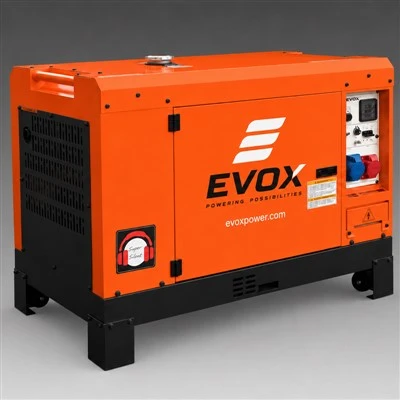
At our shop, we talk to customers every day who are looking for reliable power trowels that stand up to job site use and long storage. That’s why we don’t just sell equipment—we share these practical, field-tested tips, because we know how important it is for your tools to be ready when you need them. If you’re in the market for a new power trowel, or you have questions about maintaining the ones you already own, we’re here to help. Reach out to our team to discuss your specific needs, whether you’re a small contractor with one machine or a large operation with a fleet. We’ll walk you through the right model for your work, and share more storage and maintenance tips to keep your equipment running for years.
Diesel Slurry Pump References
Small Engine Maintenance for Seasonal Storage, Outdoor Power Equipment Institute (OPEI)
Concrete Finishing Equipment Care and Storage, National Ready Mixed Concrete Association (NRMCA)
Guidelines for Lubricating Construction Equipment, Construction Manufacturers Association (CMA)
Evoxpower Technology
Evoxpower Technology is one of the most professional power trowel manufacturers and suppliers in China, featured by quality products and good service. Please rest assured to buy the newest power trowel in stock here and get pricelist from our factory. Contact us for customized service and OEM service.
Address: 11 Fortune Avenue, Yubei District, Chongqing, China
E-mail: stephen@allrightpower.com
WebSite: https://www.evoxpower.com/
