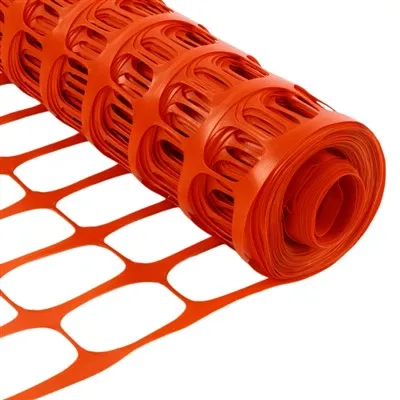
Barrier mesh, a commonly used product in many industries, serves as a reliable safeguard in multiple applications. As a barrier mesh supplier, I’ve witnessed firsthand its widespread use in construction sites to ensure safety, in agricultural settings to protect crops, and in industrial facilities to establish boundaries. Despite its numerous advantages, it’s essential to be transparent and inform customers about the potential disadvantages associated with barrier mesh. This understanding will help them make more informed decisions when considering purchasing our products. Barrier Mesh
1. Limited Aesthetic Appeal
One of the most noticeable drawbacks of barrier mesh is its relatively poor aesthetic quality. In most cases, barrier mesh is made of materials like galvanized steel or plastic, presenting a rather simple and utilitarian appearance. When used in environments that require high – end aesthetics, such as upscale residential areas, commercial plazas, or cultural and historical sites, the presence of barrier mesh can be an eyesore.
For example, in a modern and well – designed city park, a large – scale installation of traditional wire barrier mesh may disrupt the harmonious and beautiful landscape. The rigid and cold – looking structure of the mesh doesn’t blend well with the natural beauty of the park, such as the lush greenery, colorful flowers, and elegant architecture. This lack of aesthetic integration can lead to dissatisfaction among local residents and visitors, and even affect the overall image of the area.
2. Vulnerability to Weather and Environmental Conditions
Barrier mesh is constantly exposed to the elements, and this can take a toll on its durability. Different types of barrier mesh face various challenges from weather and environmental factors.
Rust and Corrosion
Galvanized steel barrier mesh, a popular choice due to its strength and affordability, is prone to rust and corrosion over time. When the protective zinc coating on the steel surface is damaged, either during installation or due to long – term exposure to harsh weather, the underlying steel is exposed to oxygen and moisture. This leads to the formation of rust, which weakens the structure of the mesh. In coastal areas, where the air contains a high salt content, the rusting process is even more rapid. Rust not only reduces the strength of the mesh, but it also detracts from its appearance, leaving unsightly brown stains.
UV Degradation
Plastic barrier mesh, on the other hand, is susceptible to UV degradation. When exposed to the sun’s ultraviolet rays for extended periods, the plastic material becomes brittle and loses its flexibility. This degradation weakens the overall structure of the mesh, making it more likely to break or tear. In hot and sunny regions, the problem of UV degradation is particularly prominent. A plastic barrier mesh that is initially strong and flexible may become so brittle after a few years of exposure to the sun that it can break easily under normal stress.
Extreme Weather Conditions
Barrier mesh also has difficulty withstanding extreme weather events. High – speed winds, heavy snow, and hail can cause significant damage to the mesh. In a strong windstorm, the mesh may be torn or blown away, especially if it is not properly installed or secured. Heavy snow accumulation on the mesh can put excessive weight on it, leading to deformation or collapse. Hailstones can puncture the mesh, reducing its effectiveness as a barrier.
3. Installation and Maintenance Complexity
Installation Difficulties
Installing barrier mesh is not always a straightforward task. It requires a certain level of skill and experience, especially for large – scale or complex projects. For example, when installing a barrier mesh around a large construction site, precise measurements must be taken to ensure that the mesh fits properly. The ground needs to be leveled and prepared, and the posts need to be firmly anchored. If the installation is not done correctly, the mesh may not be stable, which can compromise its safety function.
Moreover, in some cases, the installation of barrier mesh may require special tools and equipment. For instance, installing a stainless – steel barrier mesh may need welding equipment, which adds to the complexity and cost of the installation process. Workers need to be trained to operate these tools safely and effectively.
Maintenance Requirements
Barrier mesh also demands regular maintenance to prolong its lifespan. In the case of a rust – prone steel mesh, it needs to be inspected regularly for signs of rust. Once rust is detected, it must be treated promptly to prevent further corrosion. This may involve removing the rust with a wire brush and applying a rust – resistant coating. For plastic mesh, it needs to be cleaned regularly to remove dirt and debris, and any damaged parts may need to be replaced.
In addition, due to its relatively exposed installation, the barrier mesh may be subject to vandalism or accidental damage. Repairs need to be carried out in a timely manner to ensure its continuous functionality. All these maintenance activities require time, effort, and additional costs.
4. Potential for Entanglement and Injury
Although barrier mesh is designed to prevent access and provide safety, it can also pose a risk of entanglement and injury. The small openings in the mesh can trap clothing, hair, or body parts of people or animals. In a playground setting, children may be tempted to climb on the barrier mesh, and their clothing or limbs could get caught in the mesh. This can lead to minor injuries such as scratches and bruises, or in more severe cases, may cause serious injuries such as fractures or strangulation.
In agricultural areas, livestock may also become entangled in the barrier mesh. A cow or a horse may get its leg or head stuck in the mesh, which not only causes distress to the animal but may also require human intervention to free it, potentially putting the farmer at risk.
5. Limited Visibility and Ventilation
In some applications, the use of barrier mesh can limit visibility and ventilation. For example, in a factory or a warehouse, if a large – area barrier mesh is used to separate different work areas, it can obstruct the line of sight. This may make it difficult for workers to monitor the overall situation, increasing the risk of accidents. In addition, firefighters may face challenges during emergency rescue operations, as they need to quickly identify the location of the fire and the distribution of personnel through visual inspection.
In terms of ventilation, a dense barrier mesh can block the flow of air. In a greenhouse, if the barrier mesh used to prevent pests is too dense, it will reduce the ventilation inside the greenhouse. Poor ventilation can lead to high humidity and poor air quality, which are not conducive to plant growth and may also increase the incidence of plant diseases.
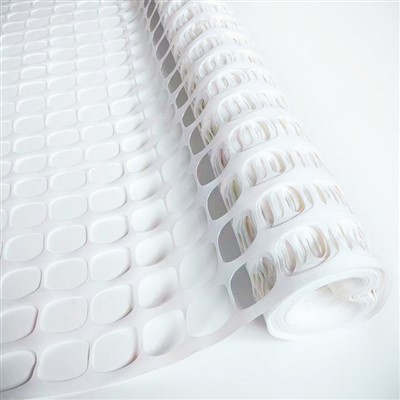
Despite these disadvantages, it’s important to note that barrier mesh remains a valuable and necessary product in many fields. At our company, we are committed to minimizing these drawbacks through continuous product innovation and improvement. We offer high – quality barrier mesh products with advanced anti – rust and UV – resistant treatments to enhance durability. Our professional technical team can provide customers with detailed installation guidance to ensure proper installation.
Warning Net If you are considering the purchase of barrier mesh for your project, we encourage you to contact us to discuss the specific requirements of your application. We can help you choose the most suitable type of barrier mesh, taking into account both the advantages and disadvantages, to ensure that you get the best value for your investment.
References
- ASTM International. (20XX). Standards related to barrier mesh materials and performance.
- Construction Industry Research Reports. (20XX). Studies on the use and limitations of barrier mesh in construction sites.
- Agricultural Science Journals. (20XX). Research on the application of barrier mesh in agricultural protection.
Shaoxing Yongte Plastics Co., Ltd.
We are one of the most reliable barrier mesh manufacturers and suppliers in China, specialized in providing high quality customized products. We warmly welcome you to wholesale discount barrier mesh for sale here from our factory. Contact us for pricelist and free sample.
Address: INDUSTRIAL PARK, LIZHU TOWN, KEQIAO DISTRICT, SHAOXING CITY, ZHEJIANG PROVINCE
E-mail: support@sxxyongte.com.cn
WebSite: https://www.fenceplastic.com/
