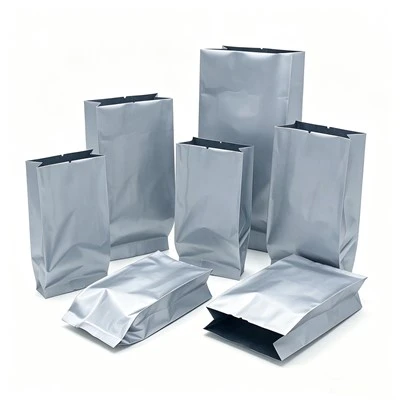
Hey there! As a supplier of stand up pouches, one of the most frequently asked questions I encounter is about the gas permeability of these versatile packaging solutions. In this blog post, I’ll delve into what gas permeability is, why it matters for stand up pouches, and how it impacts the products they contain. Stand Up Pouches
Understanding Gas Permeability
Gas permeability refers to the rate at which gases, such as oxygen, carbon dioxide, and nitrogen, can pass through a material. In the context of stand up pouches, it’s a crucial property that determines how well the pouch can protect the product inside from the external environment. Different gases have different permeation rates, and the permeability of a material can vary depending on factors like temperature, humidity, and the thickness of the material.
The gas permeability of a material is typically measured in units such as cubic centimeters per square meter per day (cc/m²/day) for oxygen and carbon dioxide, and the lower the value, the better the barrier properties of the material. For example, a stand up pouch with a low oxygen permeability will be more effective at preventing the oxidation of the product inside, which can lead to spoilage, loss of flavor, and a shorter shelf life.
Why Gas Permeability Matters for Stand Up Pouches
The gas permeability of stand up pouches is of utmost importance for several reasons, especially when it comes to preserving the quality and integrity of the products they hold. Here are some key aspects to consider:
Product Preservation
Many products, such as food items, pharmaceuticals, and chemicals, are sensitive to the presence of oxygen and other gases. Oxygen, in particular, can cause oxidation reactions that lead to the deterioration of flavors, colors, and nutritional values in food products. Similarly, pharmaceuticals and chemicals may degrade when exposed to oxygen or moisture, reducing their effectiveness and safety.
By using stand up pouches with low gas permeability, we can create a protective barrier that slows down the entry of oxygen and other harmful gases, thereby extending the shelf life of the products. This is especially important for perishable goods that need to remain fresh and safe for consumption or use over an extended period.
Aroma and Flavor Retention
For food and beverage products, the preservation of aroma and flavor is crucial for customer satisfaction. Gas permeability can have a significant impact on the retention of these sensory qualities. A stand up pouch with good gas barrier properties can prevent the escape of volatile flavor compounds and the entry of external odors, ensuring that the product inside retains its original taste and smell.
Carbonation Retention
In the case of carbonated beverages, maintaining the right level of carbonation is essential for the product’s quality and consumer appeal. Stand up pouches with low carbon dioxide permeability can help to keep the carbonation intact, preventing the beverage from going flat and ensuring a fizzy and refreshing drinking experience.
Factors Affecting Gas Permeability in Stand Up Pouches
The gas permeability of stand up pouches can be influenced by several factors, including the type of material used, the thickness of the pouch, and the sealing method. Here’s a closer look at each of these factors:
Material Selection
The choice of material is one of the most critical factors in determining the gas permeability of stand up pouches. Different materials have different barrier properties, and some are better suited for specific applications than others.
- Plastic Films: Common plastic films used in stand up pouches include polyethylene (PE), polypropylene (PP), and polyester (PET). These materials offer varying degrees of gas barrier properties, with PET generally providing better oxygen and moisture barrier than PE and PP.
- Aluminum Foil: Aluminum foil is an excellent barrier material that provides outstanding oxygen, moisture, and light protection. It is often used in food packaging to extend the shelf life of products and keep them fresh.
- EVOH (Ethylene Vinyl Alcohol): EVOH is a high-barrier material that offers excellent gas barrier properties, especially against oxygen. It is commonly used in combination with other plastics to create multi-layered films with enhanced barrier performance.
Pouch Thickness
The thickness of the stand up pouch also plays a role in its gas permeability. Generally, thicker pouches have lower gas permeability than thinner ones, as there is more material for the gases to pass through. However, increasing the thickness of the pouch can also increase its cost and weight, so a balance needs to be struck between barrier performance and practicality.
Sealing Method
The quality of the seal is crucial for maintaining the gas barrier properties of stand up pouches. A poor seal can allow gases to enter or escape the pouch, compromising the integrity of the product inside. Common sealing methods include heat sealing, ultrasonic sealing, and adhesive sealing, each with its own advantages and limitations.
Measuring Gas Permeability
To ensure the quality and performance of stand up pouches, it’s important to measure their gas permeability accurately. There are several methods available for measuring gas permeability, including:
Pressure-Based Methods
Pressure-based methods involve measuring the change in pressure across a film sample as gases pass through it. These methods are relatively simple and can provide rapid results, but they may not be suitable for measuring the permeability of thin films or materials with low gas transmission rates.
Sensor-Based Methods
Sensor-based methods use sensors to detect the concentration of gases on either side of a film sample. These methods are more accurate and sensitive than pressure-based methods, and they can be used to measure the permeability of a wide range of materials, including thin films and multi-layered structures.
Gravimetric Methods
Gravimetric methods involve measuring the change in weight of a film sample as gases are adsorbed or desorbed from it. These methods are highly accurate but can be time-consuming and require specialized equipment.
Controlling Gas Permeability in Stand Up Pouches
As a stand up pouch supplier, we take several steps to control the gas permeability of our products and ensure that they meet the specific requirements of our customers. Here are some of the key strategies we use:
Material Selection and Design
We carefully select the materials used in our stand up pouches based on the specific gas barrier requirements of the product. For example, if a customer needs a pouch with high oxygen barrier properties, we may recommend using a multi-layered film that includes EVOH or aluminum foil.
We also pay close attention to the design of the pouch, including the thickness of the material, the type of seal, and the presence of any additional features such as degassing valves or resealable closures. These design elements can all have an impact on the gas permeability of the pouch and need to be carefully considered to ensure optimal performance.
Quality Control
We have a rigorous quality control process in place to ensure that our stand up pouches meet the highest standards of quality and performance. This includes testing the gas permeability of our products using state-of-the-art equipment and techniques to ensure that they meet the specified requirements.
We also conduct regular inspections of our production facilities to ensure that our manufacturing processes are consistent and that our products are free from defects. By maintaining strict quality control standards, we can provide our customers with stand up pouches that offer reliable gas barrier properties and excellent product protection.
Conclusion
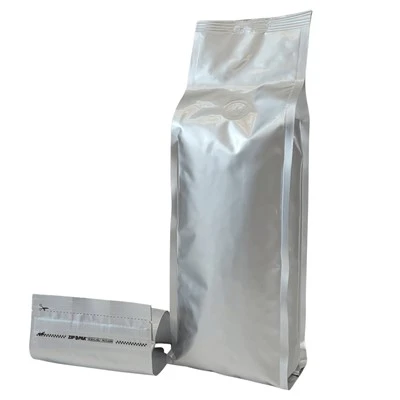
In conclusion, gas permeability is a critical property that plays a significant role in the performance and effectiveness of stand up pouches. By understanding the factors that affect gas permeability and taking steps to control it, we can provide our customers with high-quality stand up pouches that offer excellent product protection and extended shelf life.
Food Packaging Solutions If you’re interested in learning more about our stand up pouches or have specific gas barrier requirements for your product, I encourage you to reach out to us. Our team of experts is always happy to discuss your needs and provide you with customized solutions that meet your exact specifications. Let’s work together to find the perfect packaging solution for your product!
References
- ASTM International. (2023). Standard Test Methods for Oxygen Gas Transmission Rate Through Plastic Film and Sheeting Using a Coulometric Sensor. ASTM D3985 – 23.
- European Committee for Standardization. (2019). Packaging – Flexible packaging material – Determination of the gas transmission rate – Part 1: Differential pressure method. EN ISO 2556:2019.
- Robertson, G. L. (2012). Food Packaging: Principles and Practice (3rd ed.). CRC Press.
Qingdao Senlida Packing Co., Ltd.
Qingdao Senlida Packing Co., Ltd. is one of the most experienced stand up pouches manufacturers and suppliers in China since 1995. With a professional production team, we are able to meet the needs of the majority of our customers. Please feel free to buy high quality packing products at competitive price from our factory.
Address: No.299 Feichao Road, Luwang Town, Huangdao District, Qingdao, Shandong Province, China.
E-mail: liuxh@qdsenlida.com
WebSite: https://www.senlidapacking.com/
