Hey there! I’m a supplier of cryogenic ball valves, and I’ve seen my fair share of issues with these things. Cryogenic ball valves are super important in industries like LNG (liquefied natural gas), petrochemicals, and pharmaceuticals where they need to handle super cold temperatures. But like any piece of equipment, they can face problems. So, in this blog, I’m gonna walk you through how to troubleshoot a cryogenic ball valve. Cryogenic Ball Valve
1. First Things First: Check the Basics
When you start having problems with a cryogenic ball valve, the first step is to look at the basics. Is the valve actually installed correctly? Sometimes, a simple mis – installation can lead to all sorts of issues.
Installation Check
Make sure the valve is properly aligned in the pipeline. If it’s not, it can cause uneven stress on the valve body, which might lead to leaks or failure to operate smoothly. The valve should be installed with the flow direction in mind. There’s usually an arrow on the valve body indicating the correct flow direction. If you install it backwards, it’s not gonna work as intended.
Mounting and Fixing
Check the mounting bolts and nuts. Are they tight? Loose mounting can cause vibrations, which can damage the valve over time. And also, make sure the valve is properly supported in the pipeline to prevent any excessive bending or stress.
Seal Inspection
Take a look at the seals. Cryogenic ball valves have seals that need to be in good condition to prevent leaks. The seals can degrade over time, especially if they’re exposed to chemicals or extreme temperatures. If you see any signs of cracking, wear, or damage on the seals, they probably need to be replaced.
2. Flow and Pressure Issues
One of the most common problems with cryogenic ball valves is related to flow and pressure. If you notice that the flow through the valve has decreased or the pressure is not right, here’s what you can do.
Blockages
First, think about blockages. Debris, ice, or other foreign materials can get into the valve and block the flow path. You can try to isolate the valve from the system (make sure to follow proper safety procedures when doing this) and then gently clean the valve internals. Use a soft brush or a special cleaning solvent that’s compatible with the valve materials.
Valve Opening and Closing
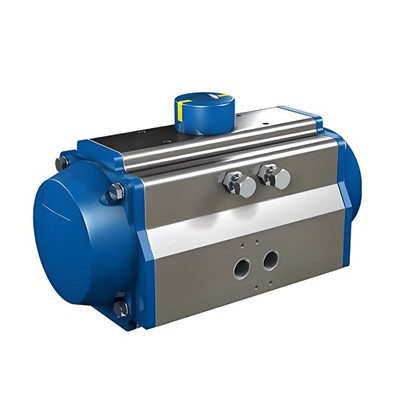
Check if the valve is fully opening and closing. Sometimes, the actuator might not be functioning properly, causing the valve to not reach its full open or closed position. If it’s a manual valve, make sure the handle is turning freely. If it’s an automated valve, check the power supply to the actuator. You can try resetting the actuator or checking its control settings.
Pressure Relief
If the pressure in the system is too high or too low, it can affect the valve’s performance. Check if the pressure relief valve (if there is one) is working correctly. A faulty pressure relief valve can cause over – pressure problems in the system, which can damage the cryogenic ball valve.
3. Leakage Problems
Leakage is a big deal when it comes to cryogenic ball valves. Not only can it cause a loss of product, but it can also be a safety hazard.
External Leaks
Look for external leaks around the valve body, the stem, or the connections. If you see any signs of frost or ice forming on these areas, it’s a good indication of a leak. For leaks around the stem, it could be due to a worn – out stem seal. You can try tightening the stem packing nut gently. If that doesn’t work, you might have to replace the stem seal.
For leaks at the connections, check the gaskets. Make sure they’re the right size and in good condition. Sometimes, a loose connection can cause leaks. Try tightening the bolts or nuts at the connection points, but be careful not to over – tighten them as it can damage the gaskets.
Internal Leaks
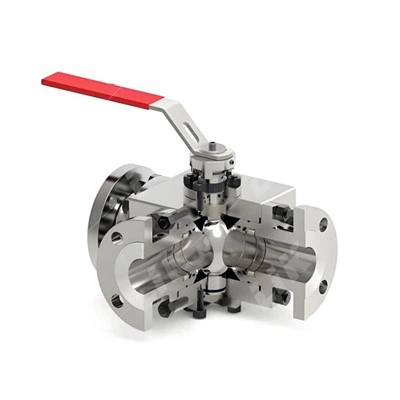
Internal leaks are a bit trickier to detect. You can use special equipment like ultrasonic leak detectors to check for internal leaks. An internal leak can be caused by a damaged ball or seat. If you suspect an internal leak, you might have to disassemble the valve carefully to inspect the ball and seat for damage. If they’re worn out or damaged, they’ll need to be replaced.
4. Actuator Troubles
If your cryogenic ball valve has an actuator, it can be a source of problems.
Power Issues
If it’s an electric actuator, check the power supply. Make sure the breaker is not tripped and the wiring is intact. If there’s no power going to the actuator, it won’t work. You can use a multimeter to check the voltage at the actuator terminals.
For pneumatic actuators, check the air supply. Is there enough air pressure? Check the air lines for any blockages or leaks. You might need to clean the air filters to make sure the air supply is clean and free of debris.
Control Signal
If the actuator is not responding to the control signals, check the control settings. Make sure the control system is sending the right signals to the actuator. You might need to consult the actuator’s manual to troubleshoot the control system.
5. Maintenance History Check
Always check the maintenance history of the cryogenic ball valve. If it hasn’t been maintained properly, it’s more likely to have problems.
Lubrication
Proper lubrication is important for the smooth operation of the valve. Check if the valve has been lubricated as per the manufacturer’s recommendations. If not, you should lubricate the moving parts. But make sure to use a lubricant that’s suitable for cryogenic temperatures.
Regular Inspections
Find out if the valve has been inspected regularly. Regular inspections can help catch problems before they become serious. If the valve has been neglected, it’s a good idea to do a thorough inspection and address any issues you find.
6. After Troubleshooting
Once you’ve identified and fixed the problem, it’s a good idea to do some tests. You can perform a pressure test to make sure there are no more leaks. Operate the valve a few times to see if it’s working smoothly.
And don’t forget to document everything. Write down what the problem was, how you fixed it, and when the repairs were done. This will be useful for future reference and for keeping track of the valve’s performance.
Ball Valve Well, that’s a pretty comprehensive guide on how to troubleshoot a cryogenic ball valve. If you’re facing any issues with your cryogenic ball valves or if you’re looking to purchase new ones, feel free to reach out. We’re here to help you find the best solutions for your cryogenic valve needs.
References
- "Cryogenic Valve Technology Handbook"
- Manufacturer’s specifications and manuals for cryogenic ball valves
Wuxi PYNOS Flow-tech Co., Ltd.
As one of the leading cryogenic ball valve manufacturers and suppliers in China, we offer a wide range of products with superior quality. We warmly welcome you to buy high quality cryogenic ball valve made in China here from our factory. We also accept customized orders.
Address: Sales Center: 7th Floor, No.19 Qingyuan RD, Wuxi City, Jiangsu Prov., China
E-mail: Info@pynosvalve.com
WebSite: https://www.pynosvalves.com/
