Hey there! I’m an electrical transmission tower supplier, and today I’m gonna chat with you about how electrical transmission towers connect to substations. It’s a super interesting topic, and understanding this connection is crucial for anyone involved in the power industry. Electrical Transmission Tower

The Basics of Electrical Transmission
Before we dive into the connection between transmission towers and substations, let’s quickly go over the basics of electrical transmission. Electricity is generated at power plants, like coal – fired, hydro – electric, or nuclear plants. Once the electricity is produced, it needs to be transported over long distances to where it’s needed, like homes, businesses, and industries. That’s where electrical transmission towers come in.
These towers are like the backbone of the electrical grid. They hold up high – voltage power lines that carry electricity from the power plants to substations. High – voltage transmission is used because it reduces the energy loss during the long – distance transport. You see, the higher the voltage, the lower the current for a given amount of power (since P = VI, where P is power, V is voltage, and I is current). And lower current means less energy is lost as heat in the power lines.
How Transmission Towers Connect to Substations
The Power Lines
The most obvious connection between transmission towers and substations is through power lines. These power lines are made of conductive materials, usually aluminum or copper. They are strung between the transmission towers, which are strategically placed along the transmission route.
The power lines come in different configurations. There are usually three – phase power lines, which are the most common in high – voltage transmission. Each phase carries an alternating current that is out of phase with the other two by 120 degrees. This three – phase system is more efficient for transmitting large amounts of power compared to single – phase systems.
The power lines from the transmission towers enter the substation through a set of equipment called bushings. Bushings are insulators that allow the high – voltage power lines to enter the substation while preventing electrical leakage.
The Substation Equipment
Once the power lines enter the substation, they are connected to a variety of equipment. The first piece of equipment is usually a circuit breaker. Circuit breakers are like big switches that can quickly interrupt the flow of electricity in case of a fault, like a short – circuit or an overload. This helps protect the substation equipment and the electrical grid from damage.
After the circuit breaker, the electricity goes through a transformer. Transformers are essential in substations. They can step down the high – voltage electricity from the transmission lines to a lower voltage that is suitable for distribution to consumers. For example, the electricity coming from the transmission towers might be at a voltage of 230 kV or even higher, but it needs to be stepped down to around 11 kV or 400 V for use in homes and businesses.
There are also other pieces of equipment in the substation, like capacitors, which help improve the power factor of the electrical system, and surge arresters, which protect the substation equipment from voltage surges caused by lightning or other transient events.
The Grounding System
Another important aspect of the connection between transmission towers and substations is the grounding system. Both transmission towers and substations need to be properly grounded to ensure safety. The grounding system provides a path for electrical current to flow into the ground in case of a fault.
For transmission towers, grounding is usually achieved by burying metal rods or plates in the ground near the base of the tower. These grounding electrodes are connected to the tower structure. In the substation, the grounding system is more complex. It consists of a network of grounding conductors and electrodes that are designed to evenly distribute the fault current into the ground.
The Importance of a Good Connection
A reliable connection between transmission towers and substations is essential for the stable operation of the electrical grid. If there is a problem with the connection, like a broken power line or a malfunctioning substation equipment, it can lead to power outages.
Power outages can have a significant impact on our daily lives. They can disrupt businesses, cause inconvenience to households, and even pose a risk to public safety. That’s why it’s so important to ensure that the connection between transmission towers and substations is properly maintained.
As a transmission tower supplier, I understand the importance of providing high – quality towers that can support the power lines and withstand various environmental conditions. Our towers are designed to be durable, corrosion – resistant, and able to handle high winds and other natural forces.
The Role of Technology in the Connection
In recent years, technology has played an increasingly important role in the connection between transmission towers and substations. For example, smart grid technology allows for real – time monitoring of the electrical grid. Sensors can be installed on the power lines and substation equipment to detect any abnormalities, such as changes in voltage, current, or temperature.
This real – time monitoring helps operators to quickly identify and address any issues before they lead to a power outage. It also allows for more efficient operation of the electrical grid, as operators can adjust the power flow based on the actual demand.
Another technological advancement is the use of high – temperature superconducting materials in power lines. These materials have zero electrical resistance at very low temperatures, which means that they can transmit electricity with almost no energy loss. Although this technology is still in the experimental stage, it has the potential to revolutionize the electrical transmission industry.
Why Choose Our Transmission Towers
As a transmission tower supplier, we take pride in offering high – quality products and excellent customer service. Our towers are made from high – strength steel and are designed to meet the highest industry standards. We use advanced manufacturing techniques to ensure that each tower is of the highest quality.
We also offer customized solutions to meet the specific needs of our customers. Whether you need a tower for a small – scale project or a large – scale transmission line, we can provide the right solution for you. Our team of experts is always available to provide technical support and advice throughout the project.
If you’re in the market for electrical transmission towers, I encourage you to get in touch with us. We’d love to have a chat with you about your project and see how we can help. Whether you’re a utility company, an engineering firm, or a contractor, we’re here to provide you with the best transmission tower solutions.
Conclusion
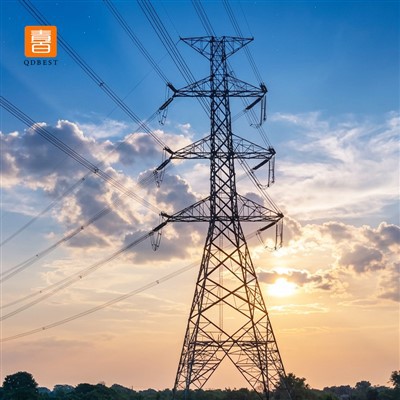
In conclusion, the connection between electrical transmission towers and substations is a complex but crucial part of the electrical grid. It involves power lines, substation equipment, and grounding systems, all working together to ensure the reliable transmission of electricity.
Lattice Tower As a transmission tower supplier, we’re committed to providing high – quality products and services to support this important connection. If you’re interested in learning more about our transmission towers or have a project in mind, don’t hesitate to reach out. We’re looking forward to working with you!
References
- "Power System Analysis and Design" by J. Duncan Glover, Mulukutla S. Sarma, and Thomas J. Overbye
- "Electrical Power Transmission System Engineering: Analysis and Design" by Turan Gonen
Qingdao BEST Steel Structure Co., Ltd.
Qingdao BEST Steel Structure Co., Ltd. is one of the most professional electrical transmission tower manufacturers and suppliers in China. We warmly welcome you to buy customized electrical transmission tower made in China here from our factory. If you have any enquiry about OEM service, please feel free to email us.
Address: Jiaobei Industrial Park, Qingdao, China
E-mail: sales@qdbsstower.com
WebSite: https://www.qdbsstower.com/
