In the realm of modern manufacturing and high – tech industries, anti – static plastics have emerged as indispensable materials. As a well – established supplier of anti – static plastics, I am often asked whether these materials are easy to process. This question is not only crucial for manufacturers looking to integrate these plastics into their production lines but also has a significant impact on the overall efficiency and cost – effectiveness of the manufacturing process. In this blog post, I intend to explore this topic in depth, drawing on my years of industry experience and in – depth technical knowledge. Anti Static Plastics
Understanding Anti – Static Plastics
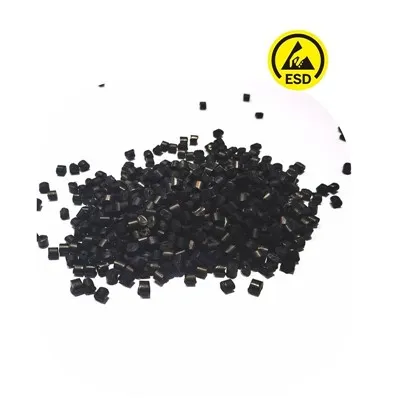
Before delving into the processing ease, it is essential to understand what anti – static plastics are and their unique properties. Anti – static plastics are engineered polymers that have been modified to reduce or eliminate the build – up of static electricity. Static electricity can cause various problems in industrial settings, such as the attraction of dust and debris, electrical interference, and in extreme cases, electrostatic discharge (ESD) that can damage sensitive electronic components.
These plastics achieve their anti – static properties through different methods. One common approach is the incorporation of anti – static additives. These additives can be in the form of internal or external agents. Internal additives are mixed into the plastic resin during the compounding process, while external additives are applied to the surface of the finished plastic product. Another method is the use of conductive fillers, such as carbon black or metal fibers, which create conductive pathways within the plastic matrix, allowing static charges to dissipate.
Processing Considerations for Anti – Static Plastics
Injection Molding
Injection molding is one of the most widely used processing methods for plastics, and it is also commonly employed for anti – static plastics. The good news is that, in general, anti – static plastics can be processed using standard injection – molding equipment with relatively minor adjustments.
However, there are some key factors to keep in mind. First, the presence of anti – static additives or conductive fillers can affect the flow properties of the plastic melt. These additives may increase the viscosity of the melt, which means that higher injection pressures and temperatures might be required to ensure proper filling of the mold cavity. Additionally, the dispersion of additives and fillers is crucial. Poor dispersion can lead to uneven anti – static performance and surface defects in the final product. Therefore, proper mixing and compounding techniques are essential during the raw – material preparation stage.
Another consideration is the potential for wear and tear on the injection molding equipment. Conductive fillers, especially those with abrasive properties, can cause increased wear on the screws, barrels, and nozzles of the injection molding machine. Regular maintenance and the use of wear – resistant materials for critical components can help mitigate this issue.
Extrusion
Extrusion is another popular processing method for anti – static plastics, particularly for producing continuous profiles such as pipes, sheets, and films. Similar to injection molding, anti – static plastics can be extruded using standard extrusion equipment.
The main challenge in extrusion lies in controlling the temperature and pressure to ensure a uniform flow of the plastic melt. The anti – static additives and fillers can influence the thermal conductivity and rheological properties of the plastic, which may require adjustments to the extrusion process parameters. For example, a lower extrusion speed may be necessary to allow for better heat transfer and to prevent overheating of the plastic, which could degrade the anti – static additives.
Surface quality is also a critical aspect in extrusion. Any irregularities or defects on the surface of the extruded product can affect its anti – static performance. Therefore, proper die design and calibration are essential to ensure a smooth and consistent surface finish.
Thermoforming
Thermoforming is a process where a plastic sheet is heated to a pliable state and then formed into a specific shape using a mold. Anti – static plastics can be successfully thermoformed, but there are specific considerations.
The heating process needs to be carefully controlled to avoid overheating the anti – static additives. Overheating can cause the additives to degrade, reducing their effectiveness in preventing static build – up. Additionally, the forming pressure and the cooling rate need to be optimized to ensure that the final product retains its shape and anti – static properties.
Advantages of Processing Anti – Static Plastics
Despite the challenges mentioned above, there are several advantages to processing anti – static plastics that make them a viable option for many applications.
One of the significant advantages is the versatility of these materials. Anti – static plastics can be processed into a wide range of shapes and sizes, making them suitable for various industries, including electronics, automotive, and packaging. For example, in the electronics industry, anti – static plastic enclosures can be injection – molded to protect sensitive electronic components from ESD.
Another advantage is the long – term cost savings. While the initial processing may require some adjustments to the equipment and process parameters, the use of anti – static plastics can reduce the need for additional anti – static treatments or protective measures in the final product. This can lead to lower overall production costs and improved product quality.
Tips for Easy Processing of Anti – Static Plastics
Based on my experience as a supplier, here are some tips to make the processing of anti – static plastics easier:
- Choose the Right Material: Select an anti – static plastic grade that is specifically formulated for your processing method and application. Different grades have different additive concentrations and properties, which can significantly affect the processing ease.
- Optimize the Compounding Process: Ensure proper mixing and dispersion of the anti – static additives and fillers during the compounding stage. This can be achieved through the use of high – shear mixing equipment and appropriate processing temperatures.
- Regular Equipment Maintenance: As mentioned earlier, the presence of conductive fillers can cause wear on the processing equipment. Regular maintenance and inspection of the equipment can help identify and address any issues before they lead to significant production problems.
- Work with an Experienced Supplier: A reliable supplier can provide valuable technical support and guidance on the processing of anti – static plastics. They can help you select the right material, optimize the process parameters, and troubleshoot any issues that may arise.
Conclusion
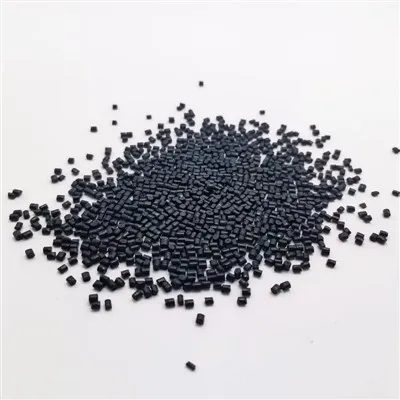
In conclusion, while there are some challenges associated with processing anti – static plastics, they are generally easy to process with the right knowledge, equipment, and techniques. The unique properties of these materials make them highly valuable in many industries, and the benefits they offer often outweigh the processing difficulties.
Conductive Polymer If you are a manufacturer looking to incorporate anti – static plastics into your production process, I encourage you to reach out. As a trusted supplier of anti – static plastics, I have the expertise and resources to provide you with high – quality materials and comprehensive technical support. Whether you are new to using anti – static plastics or looking to improve your existing processing methods, I am here to help you achieve your production goals. Contact me to start a discussion about your specific requirements and explore how our anti – static plastics can meet your needs.
References
- "Plastics Additives Handbook", 6th Edition, Hanser Publishers.
- "Injection Molding Handbook", 3rd Edition, Carl Hanser Verlag.
- Industry research reports on anti – static plastics from leading market research firms.
Jiangxi Sugo Advanced Materials Co., Ltd.
With abundant experience, we are one of the most professional anti static plastics manufacturers in China. Please feel free to buy high quality anti static plastics in stock here and get free sample from our factory. We also accept customized orders.
Address: 1st Fugong Rd, Futian Industrial Park, Dingnan, Ganzhou City, Jiangxi Prov., R.P.C 341900
E-mail: EILEEN@SUGOPLAS.COM
WebSite: https://www.sugo-esd.com/
