Hey there! I’m a supplier of MPP pipes, and I often get asked, "Can MPP Pipe be used for water supply?" Today, I’m gonna dive deep into this question and share some insights based on my experience in the industry. MPP Pipe

First off, let me give you a bit of a rundown on what MPP pipes are. MPP stands for Modified Polypropylene. These pipes are made from a special type of polypropylene that has been modified to enhance its performance in various ways. They’re known for their high strength, good flexibility, and excellent resistance to chemical corrosion.
Now, let’s get to the big question. Can MPP pipes be used for water supply? Well, the answer is a bit complicated. Technically, MPP pipes have some properties that make them seem like a good fit for water supply systems. For starters, their resistance to corrosion means that they won’t rust or degrade when in contact with water over time. This is a huge advantage compared to metal pipes, which can corrode and release harmful substances into the water.
Also, MPP pipes are lightweight. This makes them easier to handle and install, which can save a lot of time and money during the construction of a water supply network. You don’t need heavy equipment to move them around, and they can be easily bent and shaped to fit the layout of the water system.
Another plus is their smooth inner surface. A smooth inner surface reduces the friction of water flow, which means that the water can move through the pipes more efficiently. This can lead to lower energy consumption for pumping the water, which is not only good for the environment but also for your wallet in the long run.
However, there are also some concerns when it comes to using MPP pipes for water supply. One of the main issues is that MPP pipes are not specifically designed for potable water applications. The materials used in MPP pipes might contain substances that could potentially leach into the water and affect its quality. Even though MPP pipes are generally considered non – toxic, the standards for pipes used in drinking water supply are very strict. These standards ensure that the pipes do not release any harmful chemicals or contaminants.
In addition, MPP pipes may not be as heat – resistant as some other pipes used in water supply systems. If the water in the pipes gets too hot, it could cause the MPP pipes to deform or even fail. This is a big problem, especially in areas where hot water is supplied or where there are temperature variations in the water.
But here’s the thing. In some non – potable water applications, MPP pipes can be a great choice. For example, in industrial water supply systems where the water is used for cooling or washing processes, the requirements for water quality are not as strict as for drinking water. MPP pipes’ resistance to corrosion and flexibility make them suitable for these types of applications. They can withstand the chemicals and harsh conditions often found in industrial settings.
Also, in some agricultural water supply systems, MPP pipes can be used effectively. For irrigation purposes, the water doesn’t need to meet the same high – quality standards as drinking water. The pipes can be used to transport water from a water source to the fields, and their durability and ease of installation make them a practical option.
So, what should you do if you’re considering using MPP pipes for a water supply project? First, you need to clearly define the type of water supply you’re dealing with. If it’s for drinking water, you need to make sure that the MPP pipes meet all the relevant health and safety standards. You may need to consult with local water authorities and get their approval before using MPP pipes in a potable water system.
If it’s for non – potable water applications, you can focus on the performance and cost – effectiveness of the MPP pipes. Compare them with other types of pipes available in the market. Look at factors like the cost of the pipes, the installation cost, and the long – term maintenance requirements.
As a MPP pipe supplier, I’ve seen many different projects where MPP pipes have been used successfully. I’ve also seen cases where people have run into problems because they didn’t fully understand the limitations of MPP pipes for water supply. That’s why I always recommend doing thorough research and consulting with experts before making a decision.
If you’re still not sure whether MPP pipes are right for your water supply project, feel free to reach out to me. I’ve got a team of experts who can help you analyze your specific needs and provide you with the best solutions. Whether you’re working on a small – scale agricultural project or a large – scale industrial water supply system, we can offer you high – quality MPP pipes and professional advice.
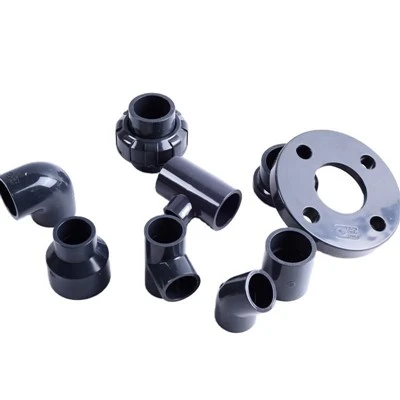
In conclusion, while MPP pipes have some great features that make them seem suitable for water supply, their use for potable water needs to be carefully considered due to the strict quality standards. For non – potable water applications, they can be a cost – effective and reliable choice. So, if you’re in the market for MPP pipes for your water supply project, don’t hesitate to contact me for more information. Let’s work together to find the best solution for your needs.
PP-R Pipes and Fittings References:
- Industry reports on pipe materials for water supply
- Technical specifications of MPP pipes
- Case studies of MPP pipe applications in water systems
Shanxi Kaisheng Plastic Co., Ltd.
Shanxi Kaisheng Plastic Co., Ltd. is one of the most professional mpp pipe manufacturers and suppliers in China, featured by quality products and good price. Welcome to buy durable mpp pipe made in China here and get quotation from our factory. We also accept customized orders.
Address: No. 72, Area S, Gate 1, Haohai Wumart, Fendong Street, Xiaodian District, Taiyuan City, Shanxi Province
E-mail: sxkssj8@163.com
WebSite: https://www.sxksgys.com/
