How to Replace a Pump Impeller?
As a seasoned supplier of pump impellers, I’ve witnessed firsthand the importance of a well – functioning impeller in a pump system. Whether you’re dealing with a small domestic pump or a large industrial one, the impeller plays a crucial role in the pump’s performance. In this blog, I’ll guide you through the process of replacing a pump impeller, sharing insights and tips based on years of experience in the industry. Pump Impeller
Understanding the Pump Impeller
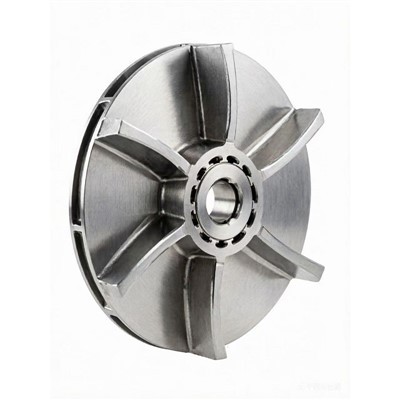
Before we dive into the replacement process, it’s essential to understand what a pump impeller is and how it works. A pump impeller is a rotating component within a pump that transfers energy from the motor to the fluid being pumped. It consists of a series of vanes or blades that are designed to increase the velocity and pressure of the fluid as it passes through the pump.
The impeller’s design can vary depending on the type of pump and the application. For example, centrifugal pumps typically have impellers with curved vanes that are optimized for high – flow applications, while positive displacement pumps may use impellers with different shapes to create a more consistent flow.
Signs That Your Pump Impeller Needs Replacement
There are several signs that indicate your pump impeller may need to be replaced. One of the most common signs is a decrease in pump performance. If you notice a reduction in flow rate, pressure, or efficiency, it could be due to a worn or damaged impeller. Other signs include unusual noises coming from the pump, such as rattling or grinding, which may indicate that the impeller is loose or damaged.
Another indication is visible damage to the impeller itself. Over time, impellers can become worn, corroded, or chipped, especially in applications where the fluid being pumped contains abrasive particles. If you can see visible signs of damage, it’s likely time to replace the impeller.
Tools and Materials Needed
Before you start the replacement process, you’ll need to gather the necessary tools and materials. Here’s a list of what you’ll typically need:
- Wrenches and Socket Set: You’ll need a set of wrenches and sockets to remove the pump housing and other components. Make sure you have the correct sizes for your pump.
- Screwdrivers: Both flat – head and Phillips – head screwdrivers may be required to remove screws and fasteners.
- Impeller Puller: An impeller puller is a specialized tool used to remove the impeller from the pump shaft. This tool helps to avoid damaging the impeller or the shaft during removal.
- New Impeller: Of course, you’ll need a new impeller that is compatible with your pump. Make sure to choose an impeller that is the correct size and design for your specific pump model.
- Gasket Sealant: A gasket sealant is used to create a watertight seal between the pump housing and other components. This helps to prevent leaks.
- Cleaning Supplies: You’ll need some cleaning supplies, such as a rag and a mild detergent, to clean the pump components before installing the new impeller.
Step – by – Step Replacement Process
Step 1: Shut Off the Power
The first and most important step is to shut off the power to the pump. This is crucial for your safety. Locate the power switch or breaker that controls the pump and turn it off. You may also want to label the switch to prevent accidental re – energization.
Step 2: Drain the Pump
Next, you’ll need to drain the pump of any fluid. This can usually be done by opening a drain valve or removing a plug at the bottom of the pump. Make sure to collect the fluid in a suitable container and dispose of it properly.
Step 3: Remove the Pump Housing
Using the appropriate wrenches and sockets, carefully remove the bolts or screws that hold the pump housing in place. Once the bolts are removed, gently separate the pump housing from the rest of the pump. Be careful not to damage any gaskets or seals during this process.
Step 4: Remove the Impeller
If the impeller is held in place by a key or a set screw, use a screwdriver to remove it. Then, attach the impeller puller to the impeller and tighten it according to the manufacturer’s instructions. Slowly turn the puller to remove the impeller from the pump shaft. If the impeller is stuck, you may need to apply some heat or a penetrating oil to loosen it.
Step 5: Clean the Pump Components
Once the impeller is removed, use a rag and a mild detergent to clean the pump shaft, housing, and other components. Make sure to remove any dirt, debris, or old gasket material. This will help to ensure a proper seal when you install the new impeller.
Step 6: Install the New Impeller
Before installing the new impeller, make sure it is the correct size and design for your pump. Apply a small amount of lubricant to the pump shaft to make it easier to install the impeller. Slide the new impeller onto the shaft and align it properly. If the impeller is held in place by a key or a set screw, insert the key or tighten the set screw according to the manufacturer’s instructions.
Step 7: Reassemble the Pump
Once the new impeller is installed, carefully reassemble the pump housing. Apply a thin layer of gasket sealant to the mating surfaces of the housing and other components. Then, replace the bolts or screws and tighten them to the appropriate torque.
Step 8: Refill the Pump
After reassembling the pump, refill it with fluid. Make sure to follow the manufacturer’s instructions for filling the pump. Prime the pump if necessary to remove any air from the system.
Step 9: Turn On the Power
Finally, turn on the power to the pump and check for proper operation. Listen for any unusual noises or vibrations, and check for leaks around the pump housing. If everything appears to be working correctly, the replacement process is complete.
Tips for a Successful Replacement
- Read the Manual: Before starting the replacement process, carefully read the pump’s user manual. This will provide you with specific instructions and safety guidelines for your pump model.
- Take Photos: If possible, take photos of the pump components before disassembling them. This will help you to remember how to reassemble the pump correctly.
- Inspect Other Components: While you have the pump apart, take the opportunity to inspect other components, such as the bearings, seals, and gaskets. Replace any worn or damaged components as needed.
- Use the Right Tools: Using the correct tools is essential for a successful replacement. Make sure you have all the necessary tools and that they are in good condition.
Why Choose Our Pump Impellers
As a leading pump impeller supplier, we offer a wide range of high – quality impellers that are designed to meet the needs of various pump applications. Our impellers are made from durable materials and are precision – engineered to ensure optimal performance and reliability.
We understand the importance of providing excellent customer service. Our team of experts is available to answer any questions you may have and to help you choose the right impeller for your pump. Whether you’re a small business owner or a large industrial operator, we have the products and expertise to meet your needs.
Fan Impeller If you’re in need of a new pump impeller or have any questions about the replacement process, we encourage you to contact us. Our sales team will be happy to discuss your requirements and provide you with a competitive quote. Don’t let a worn or damaged impeller affect your pump’s performance. Contact us today to learn more about our pump impellers and how we can help you keep your pump running smoothly.
References
- "Pump Handbook" by Igor J. Karassik, Joseph P. Messina, Paul Cooper, and Charles C. Heald.
- Manufacturer’s manuals for various pump models.
Shandong Shunye Stainless Steel Co., Ltd.
Shandong Shunye Stainless Steel Co., Ltd. is one of the most professional pump impeller manufacturers and suppliers in China, also supports customized service. Welcome to buy bulk cheap pump impeller made in China here and get quotation from our factory. For price consultation, contact us.
Address: Shandong Province, Binzhou City, Wudi County, Liubao Town, Zhangdong Road, Duliucun Village
E-mail: sales@wdshunye.com
WebSite: https://www.shunyecasting.com/
