As a mining machinery supplier who’s spent the last 12 years walking the dusty yards and job sites of open-pit and underground mines across North America, I’ve learned one hard truth: mining isn’t just about extracting resources—it’s about operating in a way that doesn’t leave a permanent scar on the land. For us, that responsibility starts before a single piece of equipment rolls onto a job site, and it’s shaped every strategy we build for clients over the years. Mining Machinery

Most mine operators talk about “environmental compliance” as a box to check on a regulatory form. But for me, it’s a mindset that ties directly to the machinery we sell. Because the wrong piece of equipment, or the wrong way to run it, can turn a compliant operation into one that’s causing unnecessary harm—wasting fuel, spewing more emissions than required, or damaging fragile ecosystems long before the mine’s reclamation phase even begins.
Let’s break down the strategies we’ve refined over time, ones that aren’t just theoretical but have worked for the hundreds of mines that rely on our gear. The first one isn’t about equipment upgrades—it’s about optimizing the equipment you already have. Too many mines run 10-year-old haul trucks or excavators at full throttle even when they’re carrying half their rated load. That’s a double waste: you’re burning more fuel than you need, and spewing more greenhouse gases (GHGs) and particulate matter (PM) into the air. We worked with a gold mine in Nevada two years ago that was overloading its haul fleets by 15% just to hit production targets. By working with their operations team to calibrate load monitors and adjust haul routes to avoid unnecessary stops, we cut their fuel use per ton of material moved by 18% in six months. The key here is real-time telematics—something we build into every piece of our machinery now. Telematics don’t just track location; they monitor engine performance, idle time, load weight, and even brake wear. We can flag when a truck is idling for more than 10 minutes (a huge fuel drain) or when an excavator’s bucket is being overfilled. That data turns guesswork into actionable steps, and it’s the foundation of efficient environmental management.
Next, fleet electrification and alternative power sources aren’t just trendy buzzwords—they’re non-negotiable for modern mining machinery operations. Ten years ago, electric mining trucks were a niche solution for small underground mines. Today, they’re viable for large open-pit operations, and for good reason. A 2023 study from the International Council on Mining and Metals (ICMM) found that electric haul trucks reduce scope 1 emissions by 70-80% compared to diesel equivalents, with even bigger benefits when the grid that powers them is from renewable sources. But it’s not just about swapping diesel for batteries. Underground mines, in particular, struggle with ventilation costs tied to diesel exhaust fumes. Every ton of diesel burned in an underground mine requires 10 tons of air to be circulated, which translates to massive energy use for ventilation. An electric loader eliminates that problem entirely, cutting ventilation energy needs by up to 40% for underground operations. We’ve seen clients transition to electric fleets and see their overall site emissions drop by 55% in the first two years alone. That said, electrification isn’t one-size-fits-all. For remote mines with limited access to renewable power, we’ve also built machinery compatible with bio-based diesel blends—like B20 and B100, derived from waste agricultural oils. It’s a middle ground that cuts emissions by 15-20% without requiring a full grid upgrade or battery infrastructure.
Another strategy that’s often overlooked is predictive maintenance and equipment lifecycle management. Breakdowns don’t just cause costly downtime—they also lead to environmental harm. A leaking hydraulic hose from a faulty excavator can dump gallons of fluid into a local stream or soil, leading to fines and rework. We’ve had clients who skipped regular maintenance on their machinery, only to have a catastrophic engine failure that burned 50 gallons of diesel in a remote area, contaminating a riparian zone. Predictive maintenance changes that. Using the telematics data we built into equipment, we can alert operators to a pending engine issue, a worn hydraulic seal, or a filter clog before it causes a breakdown. For example, one copper mine in Arizona uses our predictive maintenance tools to schedule service during planned downtime, so they never have to shut down unexpectedly and risk a spill. This also extends to end-of-life planning. Too many mining machines are scrapped after 15 years, even when key components (like engines, transmissions, and electric motors) can be refurbished and reused. We run a program where we take in used machinery, refurbish core components to OEM standards, and resell them at 50% of the cost of new equipment. That cuts waste from manufacturing new parts and reduces the number of machines sitting in junkyards. It’s a circular approach that’s good for the environment and good for clients’ budgets too.
Water management is another critical piece, and mining machinery is directly tied to it. Mining operations use an enormous amount of water for dust suppression, ore processing, and equipment cooling. Traditional practices use freshwater for these tasks, which can strain local water supplies, especially in arid regions. Our machinery is designed to support closed-loop water systems, where process water is filtered, reused, and only minimal amounts are drawn from external sources. For example, our rock drills have built-in dust suppression systems that recycle 80% of the water they use, instead of spraying fresh water onto the rock face. For mines that need to process ore, we’ve also developed water-efficient crushing equipment that reduces water use by 30% compared to standard models. Even better, we work with clients to map water usage across their entire fleet, identifying areas where excess water is being lost through leaks or overspray. One lithium mine in Nevada used our water management tools to cut their freshwater intake by 2.2 billion gallons in a year, enough to supply 4,000 households annually. That’s not just environmental progress—it’s a huge win for community relations, too.
Dust and particulate control is another area where mining machinery can make or break a mine’s environmental impact. Excess PM from haul roads, stockpiles, and excavation not only harms air quality for nearby communities but also contributes to respiratory issues for mine workers. We’ve worked with clients that used to spray salt water on haul roads to control dust, which requires frequent reapplication and wastes thousands of gallons of water. Now, our equipment is compatible with synthetic dust suppressants that last 2-3 times longer, reducing water use by 75%. For stockpiles, we’ve partnered with manufacturers to design our excavators with enclosed bucket systems that trap fine particles during loading, instead of letting them escape into the air. Underground mines, where dust can accumulate in poorly ventilated areas, benefit from our dust extractors that are integrated into loader and jumbo drill systems—they capture 95% of respirable particles at the source, before they circulate through the mine.
The last strategy I want to talk about is workforce training. All the high-tech equipment and perfect data mean nothing if the people operating it don’t know how to use it correctly. We used to just sell machinery and walk away, but over time we learned that the most successful environmental outcomes come from teams that know how to run their equipment efficiently. We offer free, on-site training programs for clients’ operators, focusing on things like idling reduction, proper load calibration, and maintenance best practices. For example, a coal mine in West Virginia had operators who were idling their haul trucks for 20 minutes before shifts, just to warm up the engines. Our training program taught them that modern diesel engines don’t need extended idling, and that idling for more than 3 minutes wastes more fuel than restarting the engine. After training, that mine’s fleet idle time dropped by 62%, cutting their fuel use and emissions significantly. We also teach operators how to spot small issues before they become big environmental problems—like a leaking hydraulic line or a misaligned bucket that’s causing excess spillage.
Now, I know a lot of mine operators are skeptical when new strategies come along. They say, “We’re here to mine, not to be environmental activists.” But the truth is, good environmental management saves money. Less fuel means lower operating costs, fewer breakdowns mean less downtime, and better community relations mean fewer regulatory delays. The mines that are ahead right now aren’t just following rules—they’re building better operations that are profitable and sustainable.
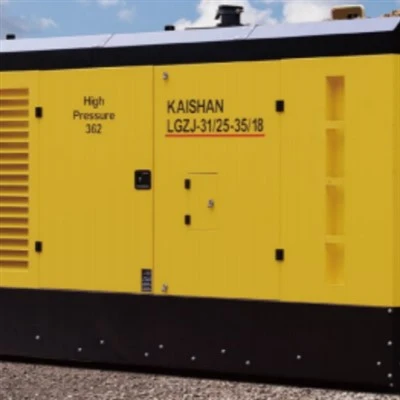
If you’re a mine operator looking to update your machinery, optimize your current fleet, or build a more sustainable environmental management strategy, we’ve got the tools and expertise to help. We don’t just sell equipment—we partner with you to find solutions that fit your unique operation, whether you’re a small artisanal mine or a large multinational mining company. We’ve worked on projects in every major mining region across the globe, and we’ve seen firsthand how the right machinery and practices can turn environmental challenges into competitive advantages.
Drill Pipe References
- International Council on Mining and Metals. (2023). Electric Fleet Adoption: Emission Reductions and Operational Benefits in Mining. ICMM Publications.
- United Nations Environment Programme. (2022). Water Stewardship in Mining: Best Practices for Reducing Freshwater Intake. UNEP Industry and Environment Office.
- Society for Mining, Metallurgy & Exploration. (2021). Predictive Maintenance for Mining Equipment: Minimizing Downtime and Environmental Risk. SME Mining Engineering Handbook.
- World Health Organization. (2020). Particulate Matter Exposure from Mining Operations: Impacts on Air Quality and Community Health. WHO Regional Office for Europe.
Jining Dongtai Lite Engineering Machinery Co., Ltd.
As one of the most professional mining machinery manufacturers in China, we have world-leading production equipment and strong manufacturing capabilities. Please rest assured to buy advanced mining machinery for sale here from our factory. Customized orders are welcome.
Address: No.1, West Side of National Highway 104, Lizhuang Village, Yishan South Road, Zoucheng City, Jining City, Shandong Province, China
E-mail: 19229738870@163.com
WebSite: https://www.kskyjzj.com/
