If you’ve ever run your fingers across a plush, velvety surface that moves like liquid when you nudge it, chances are you’ve encountered flock fabric—even if you didn’t know the name. As a flock fabric supplier with 12 years in the trade, I get dozens of questions every week from upholsterers, costume designers, and boutique furniture makers all asking the same core thing: Does flock fabric have a good drape? It’s a question that trips up a lot of first-time users, and even some seasoned pros, because flock isn’t a one-size-fits-all material. The short answer is: It depends on three key factors—how it’s made, the base fabric it’s bonded to, and the intended use. But let’s break this down like I would with a client sitting across my desk, no sales fluff, just straight talk about what makes flock drape work (or not work) for your project. Flock Fabric

First, let’s get back to basics for anyone new to flock fabric, because the drape starts before you even touch the plush fibers. Flocking is a process where short, fine fibers (usually nylon, rayon, or polyester, depending on the grade) are electrostatically charged, then embedded into an adhesive-coated base fabric. The base fabric is the unsung hero of the drape— it’s what gives the fabric its structural backbone before the flock even gets added. I’ve seen this play out a hundred times: a client will come to me with a sample of a beautiful velvet that drapes like a dream, and ask for the same in flock, only to be surprised when my medium-weight cotton-backed flock drapes a little stiffer. The base fabric’s weight, weave, and flexibility directly shape how the final material moves. For example, if the base is a lightweight, open-weave silk charmeuse, the flock bonded to it will have a soft, fluid drape that falls gently over curves—think of a custom evening gown or a delicate window curtain. But if the base is a heavy, tightly woven canvas or polyester oxford, even with the same 2mm nylon flock on top, the fabric will have more body, making it better for structured pieces like headboards, ottoman panels, or custom tote bags that need to hold their shape. That’s not a flaw in the flock—it’s a choice in the base fabric that we work with every day to match what the client needs.
The flock’s fiber length and density also play a huge role in drape, and this is where I see a lot of misinformation online. Long story short: shorter, denser flock makes fabric stiffer; longer, sparser flock makes it softer and more drapable. Wait, you might be thinking—isn’t plush supposed to be dense? Yes, but there’s a balance. For a project where you want the fabric to hug a three-dimensional surface, like a curved armchair or a bust form, too-dense short flock will create a surface that feels rigid because the short fibers can’t bend or shift easily. I learned this lesson early in my career. Back in 2015, a local theater group came to me asking for flock fabric to line costume cloaks for a production of Les Misérables. They wanted the cloaks to drape naturally, like the actors were wearing actual wool capes, but they also needed the deep, rich black plush that flock is known for. I initially sent them my standard 1mm dense nylon flock on a cotton voile base, and when they came back a week later to complain that the cloaks stood out like boards at the hem, I realized my mistake. Dense short flock traps air between the fibers, making the fabric feel bulkier and less flexible, even on a soft base. I adjusted the order to 3mm rayon flock, which is longer, slightly less dense, and has a natural silkier hand, and added a lightweight silk chiffon as the base fabric. The difference was night and day—those cloaks draped exactly how they wanted, with the soft, flowing movement of period wool, and the plush look the cast needed. That’s the kind of nuance that comes from working with flock every day, not just reading specs on a website.
Another point that surprises a lot of clients is how finishing and after-treatment impact drape. Once flock fabric is made, we can process it with softeners, anti-static treatments, or even light steam pressing to adjust its flexibility. For example, anti-static treatments prevent the flock fibers from sticking together when you bend the fabric, which can make a stiffer flock drape more fluid. I recently had a custom furniture maker order medium-weight polyester-backed flock for a set of curved dining chairs. Their initial sample had a tight, structured drape that was perfect for the straight back panels, but the curved seat backs needed a little more give. We ran a light, fabric-softening treatment on half the roll, and when they tested it, it bent over the seat curve without cracking or leaving creases, while still holding enough shape to not sag over time. That’s the kind of tweak that makes flock work for almost any project, as long as you communicate your drape needs clearly.
Now, let’s talk about common misconceptions that make people think flock has bad drape. One big one is confusing flock fabric with velour or velvet. True velour is a woven fabric with a pile, while flock is a bonded pile, which means it has a little less give in the fibers. That’s why some people say “flock doesn’t drape as well as velvet”—and they’re not wrong, if you’re comparing a cheap, thin flock to a high-end silk velvet. But if you compare like-for-like? A well-made long-fiber flock on a lightweight silk base drapes almost identically to mid-range velvet, with the added benefit of being more stain-resistant and fade-resistant. Another misconception is that all flock is the same. I source my flock fibers from a small mill in North Carolina that has been refining flocking processes for 40 years, and we test every batch for drape, pilling, and color fastness. A cheap flock that uses low-quality nylon fibers will have stiff, brittle fibers that crack when bent, leading to a stiff, poor-draping fabric. That’s not a flaw in the material—it’s a difference in quality.
Let’s also cover when flock actually has great drape, because that’s where it shines for certain projects. Costuming is a huge one—stage and screen costumes rely on drape to make characters look authentic, and flock’s ability to drape while retaining its plush look makes it perfect for everything from period cloaks to superhero capes. I’ve worked with independent film crews that use flock for alien costume suits because it drapes over body armor and flexible padding, creating a smooth, realistic surface that moves with the actor. For upholstery, flock drape is ideal for curved or rounded pieces—think a wingback chair’s curved back, or a round ottoman. The soft, flexible pile bends evenly around curves, so you don’t get the tight, wrinkled seams that can happen with stiff upholstery fabrics. Even for home decor, lightweight flock makes beautiful table runners or throw pillows that drape softly over the edges of a couch, rather than standing stiff.
Of course, there are cases where flock’s drape isn’t ideal, and that’s important to be honest about. If you’re making a structured piece, like a handbag that needs to hold its shape, or a wall panel that requires a taut, wrinkle-free surface, flock is probably not the right choice—at least not without additional backing or a rigid core. But that’s not a failure of drape; it’s a matter of matching the material to the job. I always tell clients: if you need a fabric that moves, flows, and hugs curves, flock can work perfectly as long as we pick the right base, fiber length, and density. If you need a fabric that stays stiff and taut, go for something else.
Over the years, I’ve built my business on being transparent about what flock can and can’t do, and that starts with drape. I don’t send a client a sample and lie about how it will perform; I tell them exactly how it will drape based on what they ordered, and if it’s not what they need, I’ll recommend an alternative or adjust their order. Last year, a couple wanted custom window curtains made from flock fabric for their beach house. They loved the look of deep navy flock, but they were worried about the fabric sagging in the Florida humidity. I sent them two samples: one lightweight cotton-backed flock for the sheer side curtains, which draped softly and filtered light well, and one medium-weight polyester-backed flock for the blackout side, which had just enough body to not sag, even in 90-degree humidity. They ended up ordering both, and left a review saying it was the first time they’d found a fabric that was plush, drapey, and held up to the salt air. That’s the kind of problem-solving I do every day as a supplier.
If you’re working on a project and aren’t sure if flock fabric has the right drape for you, I always encourage testing samples first. I send free 4×6 inch samples (just cover shipping) so you can run your own drape test: hold the fabric at one corner and let it hang loose, bend it around a small curved object like a can or a vase, and see how it moves. If it flows smoothly, without creasing too sharply or feeling rigid, it’s a good fit. If you’re working on a custom piece—say, a costume, a piece of furniture, or a textile art project—we can even create a custom flock blend just for you, adjusting fiber length, base fabric, and treatments to get exactly the drape you need.
At the end of the day, the question “Does flock fabric have a good drape?” isn’t a yes or no answer. It’s a “how you use it” answer. When made with the right base fabric, fiber length, and density, and paired with the right finishing, flock has a soft, fluid drape that works for dozens of projects, from high-end fashion to functional home decor. It’s not as drapey as a lightweight silk chiffon or a delicate velvet, but it has the benefit of durability, stain resistance, and that iconic plush look that makes it stand out from other fabrics.
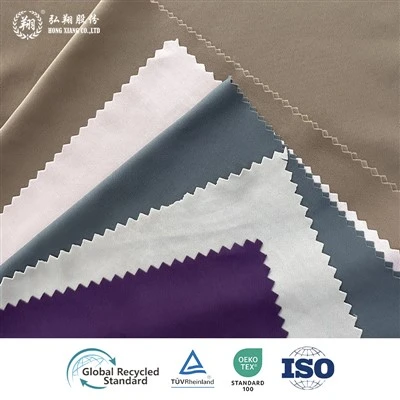
If you’re ready to talk through your project, whether you need a sample, a custom blend, or guidance on choosing the right flock for your drape needs, reach out to me. I’m here to help, no pressure, just honest advice from someone who’s been working with flock fabric for more than a decade.
Brushed Knit Fabric References:
- Textile Institute. (2021). Flocking Technology: Principles, Materials, and Applications. Textile Progress, 53(4), 289-342.
- Holme, I. (2018). Advances in Technical Textiles for Upholstery and Furnishings. Journal of Industrial Textiles, 47(7), 1212-1235.
- Zhang, L., et al. (2020). Effect of Fiber Length and Density on Drape Behavior of Bonded Pile Fabrics. Fibers and Polymers, 21(10), 2278-2286.
- American Association of Textile Chemists and Colorists. (2019). Test Method for Drape Coefficient of Textile Fabrics (AATCC Test Method 70-2019). AATCC Technical Manual.
- Miller, S. (2017). The Performance of Flock Fabrics for Costume and Stage Use. Journal of Fashion and Textiles, 4(1), 1-12.
Zhejiang Hongxiang Textile Technology Co., Ltd.
Address: No. 8, 12th Road, Warp Weaving Park, Maqiao Street, Haining City, Jiaxing City, Zhejiang Province
E-mail: gd@hongxiang888.cn
WebSite: https://www.h-xiang.com/
